| |
| |
|
|
| |
|
From Intelligent Finance to Resilient Operations: Where AI Creates
Measurable Advantage
|
|
|
|
June's edition highlights how AI, analytics, and data-led execution
are reshaping decision-making across finance, insurance, credit
risk,
supply chain, infrastructure, and investor behaviour.
|
|
|
|
From AI redrawing the boundaries of financial services to severe
convective storms becoming a core CAT risk, and from faster credit
risk assessment to stronger supply chain and toll revenue
forecasting, this month's stories show how organizations are moving
from reactive decision-making to intelligence-led performance.
|
|
| |
|
|
| |
|
|
| |
|
|
| |
|
Artificial intelligence is no longer only improving financial
workflows. It is changing how institutions think about intelligence,
decision-making, risk, trust, and scale. This article explores why
the next phase of financial services will be shaped by organizations
that treat AI as a strategic capability, not just a technology
layer.
It also examines the leadership shifts required as financial
institutions move from efficiency-led automation to
intelligence-led transformation, with human judgement remaining
central to governance, trust, and long-term value creation.
|
|
Severe Convective Storms are no longer secondary perils for insurers
and reinsurers. Rising frequency, growing urban exposure, and higher
asset values have pushed SCS into the centre of catastrophe risk,
pricing, capital modelling, and reinsurance strategy.
This article explains how SCS has moved from background volatility
to a recurring driver of insurance profitability, and why insurers
now need more granular, data-led views of exposure, accumulation,
and
portfolio-level risk.
|
|
| |
|
|
| |
|
|
| |
|
|
|
|
|
This blog explores how AI-led financial spreading can reduce manual
effort, accelerate data preparation, and help credit teams process
statements faster while maintaining analyst validation, accuracy,
and control. In one engagement, financial spreading time reduced
from
nearly 48 hours to under six, enabling faster credit decisions and
greater workflow scalability.
|
|
|
|
|
|
| |
|
|
| |
|
|
| |
|
|
| |
|
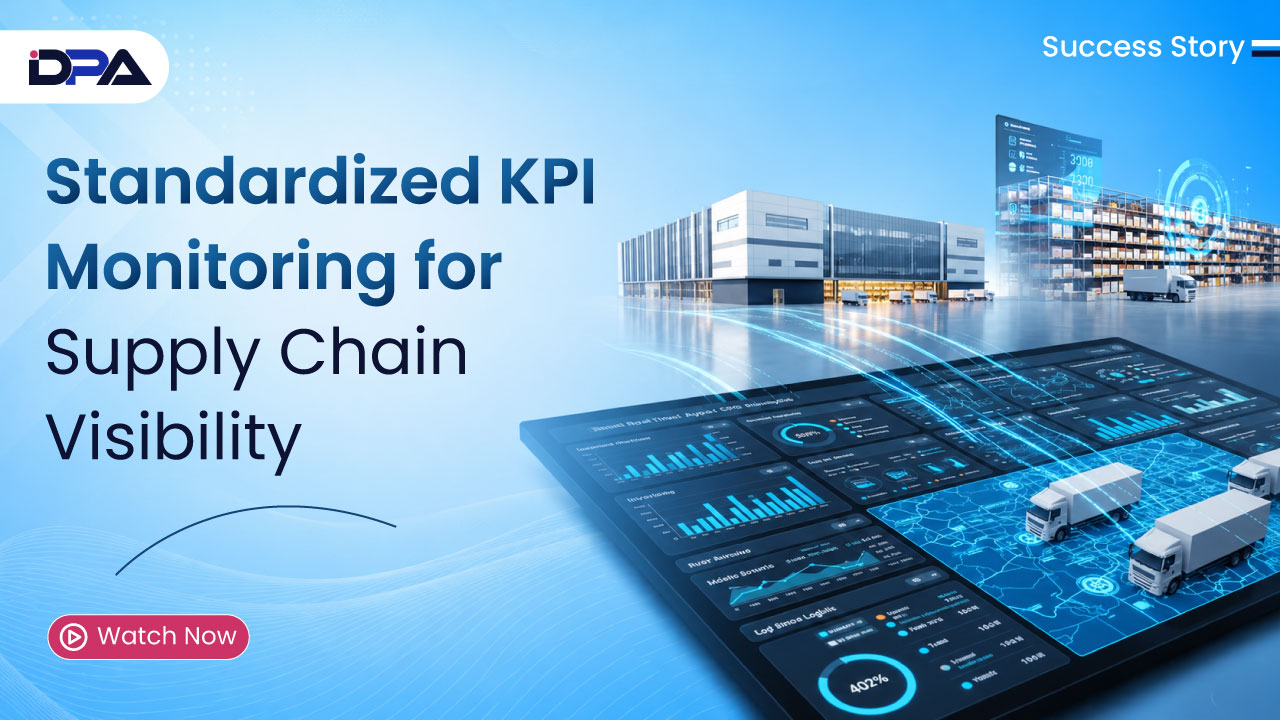
A leading manufacturing organization needed a unified view of supply
chain performance across planning, inventory, supply, cost, and
service. Decimal Point Analytics designed a Power BI scorecard
dashboard that integrated 17 KPIs across Snowflake actuals and AOP
data.
The solution enabled leadership teams to compare planned performance
with actual outcomes, improve reporting consistency, strengthen
governance through Row-Level Security, and support faster
decision-making across regions and operational domains.
|
|
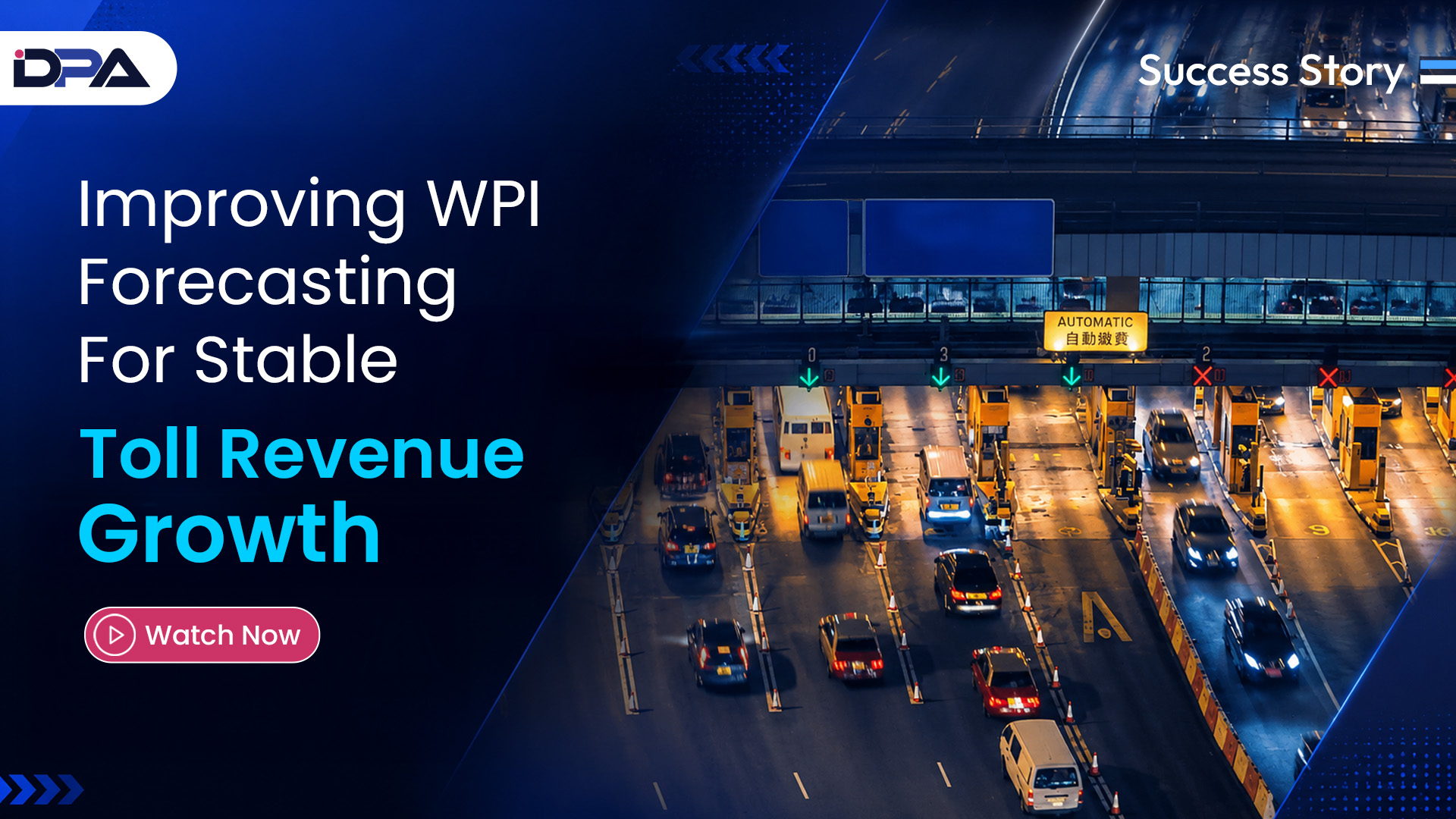
A national investment trust managing road infrastructure assets
needed better predictability in toll revenue planning, where toll
charges were directly linked to Wholesale Price Index movements.
Decimal Point Analytics developed a predictive analytics framework
using machine learning models, macroeconomic indicators, benchmark
alignment, drift monitoring, and scenario-based simulations. The
solution improved forecasting accuracy by 20% to 30% over RBI
benchmarks and helped maintain year-on-year toll forecasts within
1% to 1.2% deviation.
|
|
| |
|
|
| |
|
|
| |
|
|
| |
|
|
| |
|
Our CEO Shailesh Dhuri shares a perspective on whether AI can help
investors manage panic-driven decisions during volatile markets.
The article discusses how AI-powered investor protection platforms
such as Rakshak can identify behavioural signals like panic selling,
FOMO-driven buying, overconfidence, and revenge trading. It also
highlights the importance of keeping human judgement in the loop to
avoid creating systemic risks through over-standardized machine-led
decisions.
|
|
This newsroom feature explores why supply chain resilience in the
semiconductor industry depends on more than generic AI adoption. The
article explains how domain-specific intelligence, clean data,
supplier visibility, contractual insight, and precise operational
specifications can help enterprises respond faster to supply chain
constraints.
It also discusses how AI can strengthen multi-tier dependency
mapping, substitution analysis, lead-time forecasting, contractual
rights mining, and allocation optimization during scarcity.
|
|
| |
|
|
| |
|
|
| |
|
|
| |
|
|
|
Privacy Disclaimer
|
|
|
|
We receive and store information about you collected from our
third-party data providers using publicly accessible information. We
use the information to provide, analyse, administer, enhance and
personalize our services & marketing efforts to communicate with
you concerning our services and products. For more details regarding
our privacy guidelines, please read the privacy policy
and terms-of-use
on our website. In case you don't want us to contact you regarding
our services and products catalog, please email at marketing@decimalpointanalytics.com
to unsubscribe.
|
|
|
|
www.decimalpointanalytics.com
|
|
|
|
|